Lighthouse Keeper Logs: What They Reveal About Coastal Weather and Shipwrecks
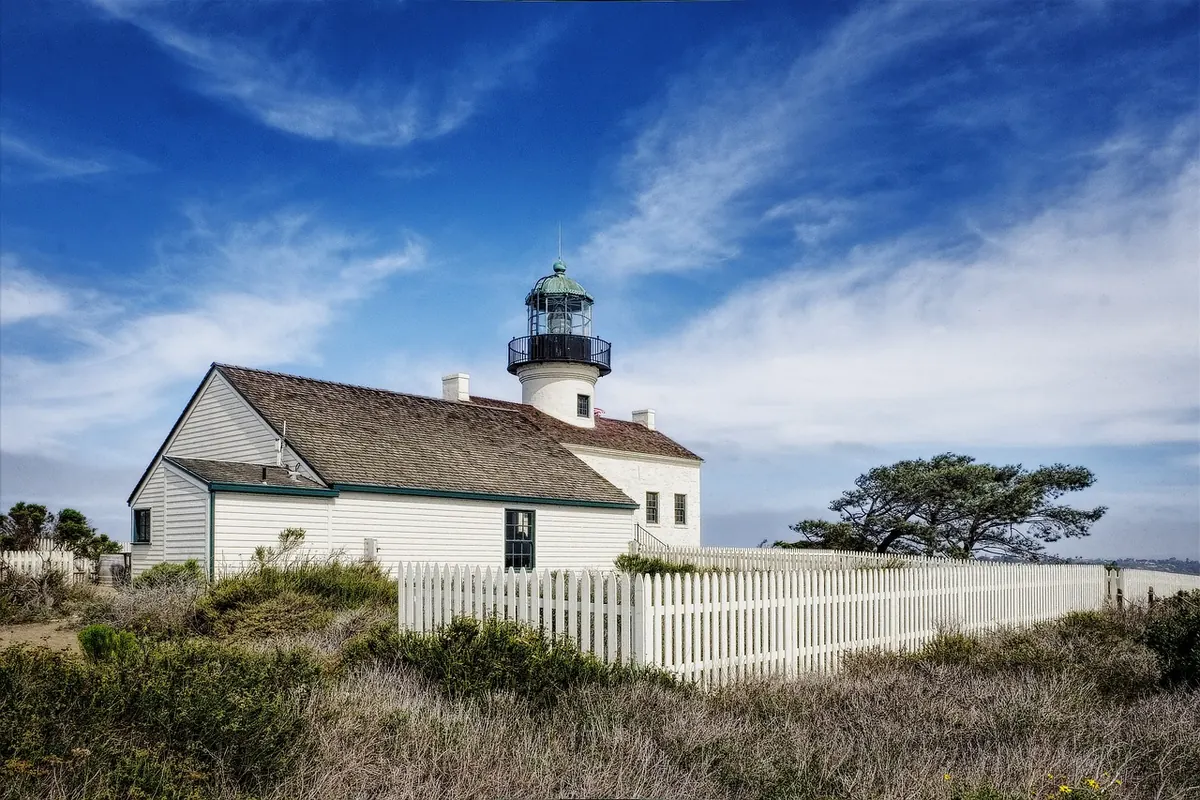
Lighthouse Keeper Logs: What They Reveal About Coastal Weather and Shipwrecks
Lighthouse keepers wrote through weather that emptied the sea of small craft. Their logbooks recorded the wind at the same hour each day, the barometer's slow fall, the fog signal starting, a schooner standing too close inshore, a lifeboat launching. Read a run of entries and a coast begins to show its habits: where squalls arrive first, which bays fill with fog, which headlands catch a swell. The logs are weather diaries, incident reports, and human records at once. They are also local documents, which is why they matter to anyone who sails, researches wrecks, or wants to understand how a stretch of coast behaves when the forecast is only half right. A logbook is not a novel, but it has a plot: the ordinary days establish what normal looks like, and the extraordinary entries show what happens when wind, tide, visibility, and human error line up badly.
What Keepers Actually Wrote Down
A keeper's log was not a private diary. It was an operational record, usually kept at fixed hours and open to inspection. The format varied by lighthouse authority and era, but the core was consistent: time, wind, weather, visibility, sea state, and the state of the light. Keepers wrote for the record, not for atmosphere, yet the best volumes carry both. A neat column of wind directions can be dull until you notice the barometer falling beside it, or a note about “sea breaking over the rock” repeating for three watches in a row.
Depending on the station and period, you will find:
- Date, hour, and the keeper on watch.
- Wind direction and strength, sometimes as a Beaufort number, often as a word such as “fresh” or “squally.”
- Barometer reading and tendency: rising, falling, or steady.
- Weather, visibility, sea state, and whether the fog signal was running.
- Lamp and machinery status: light lit, lenses cleaned, clockwork wound, fuel or oil used.
- Vessels passing, signals exchanged, and any vessel in distress.
- Rescues, strandings, wreckage, and occasional grim findings.
- Visitors, supplies, inspections, repairs, illness, and weather damage.
Some volumes are neat tables. Others are cramped pencil narratives with ink smudges and weather stains. A keeper might note “light lit at sunset” every day for months, then suddenly write three pages about a brig dragging her anchor. That contrast is useful. Routine entries establish the baseline; unusual entries show what broke it. The fixed hours matter too. A record taken at the same time each morning and evening may be less detailed than a narrative account, but it is easier to compare across weeks, seasons, and years.
“4 a.m. Wind SW fresh, rain, glass falling. Light burning clear. 6 a.m. Wind W strong, squally, sea rising. Fog signal sounded. Schooner standing inshore, fired a gun.”
A composite entry like that is not a substitute for the real page, but it shows how much a keeper could pack into a few lines: a wind shift, a falling glass, a change in sea state, the fog signal, and a vessel in trouble. The value lies in the sequence, not in any single word.
The daily rhythm behind the record
Keepers worked watches, cleaned lenses, wound clockwork, trimmed wicks, and kept the light burning through long nights. Their logs often reflect that routine. The same phrases return at the same hours: “light lit,” “lamp trimmed,” “machinery in order.” That repetition can seem empty until you read it against a storm entry. A keeper who wrote “all in order” every evening and then wrote “sea struck tower, glass broken in lantern” has given you a before and after. The routine is the control; the incident is the exception.
Weather Hidden in Plain Entries
For a sailor, the weather notes are the most practical part. They are not a modern forecast, and they are not a calibrated dataset. They are a record of what one observer saw from one place, often at the same hours every day. That consistency is the value. A single entry tells you it was blowing; a run of entries tells you how fast the weather changed, from which direction, and whether the sea arrived before the wind or after it.
Read for sequences. A falling barometer, a wind shift from southwest to northwest, and a building sea over two or three entries can describe the passage of a front. Fog entries may show a pattern: fog forming on an ebb tide, clearing with the sun, or sitting stubbornly on one side of a headland. Keepers also noted local effects that broad forecasts smooth over: a swell that arrives before the wind, a gust that comes down a valley, a tide race that turns ugly. Those are exactly the details a coastwise sailor wants and a general forecast cannot supply.
Look for the words behind the numbers
Wind strength may be a Beaufort number or a word such as “fresh,” “strong,” or “squally.” Visibility may be “good,” “moderate,” or “fog.” Treat those words as a scale, not as precision. A keeper's “strong” may not match yours. What matters is the change from one entry to the next: “fresh” to “strong,” “moderate” to “thick,” “glass falling” to “glass rising.”
Barometer readings are especially useful when they are consistent. A slow fall over twelve hours tells a different story from a sharp drop in one hour. If the log gives only the tendency, note that. Rising, falling, or steady is still a signal. So is the timing of the fog signal: a keeper who started the signal at 2 a.m. and stopped it at 9 a.m. has recorded a visibility problem that lasted through the night and into the morning watch.
Wrecks, Rescues, and the Value of a Time Stamp
Wreck entries are often short: a vessel's name, a bearing, a boat launched, a crew rescued, a hull breaking up. Sometimes the keeper saw the whole event. Sometimes he saw only the aftermath: spars in the surf, a ship's boat landing, a body on the beach. The log's value is not that it tells the full story. It is that it fixes a time and a place.
That time stamp matters. It can help you match a wreck to a newspaper report, a lifeboat record, a customs entry, or an official wreck register. It can show whether the light was burning, whether the fog signal was on, and what the weather was doing at the moment a vessel got into trouble. Those details can confirm or complicate a story that has been repeated in local histories for generations. A log entry that places a grounding at 3 a.m. during a northwest gale may fit one account and contradict another that claims the vessel struck in calm weather at dusk.
Keep the limits in view. A keeper could not see every cove. A vessel may have struck at night and been found later. Names were often misspelled. Positions were approximate, bearings were taken from the tower, and a wreck seen from a distance might be misidentified. The log is a witness, not a verdict. Used with care, though, it can narrow a search from a whole coastline to a single headland and a single watch.
How to Read a Run of Entries
Do not start with the dramatic page. Start a week or two before it. Read the ordinary entries first, then watch for changes in wind, glass, visibility, and sea state. A useful method is to note four things in parallel: time, wind direction and strength, barometer tendency, and any mention of sea or visibility. That simple grid often reveals the shape of a storm or the arrival of fog more clearly than a single vivid sentence.
- Establish the normal pattern for that station and season.
- Mark the first sign of change, such as a falling glass or a wind shift.
- Follow the sequence through the next two or three entries.
- Note any operational response: fog signal, lifeboat, signal to a vessel.
- Compare the log with an independent record, such as a newspaper or lifeboat book.
This is also how you avoid overreading a single word. “Squally” on one line may mean little. “Squally” repeated every watch for two days, with the glass falling and the sea rising, is a pattern worth following.
Where to Find Keeper Logs and What to Compare
Many keeper logs survive in national archives, lighthouse authority collections, local museums, and maritime libraries. Some are digitized; others exist only as bound volumes or microfilm. It helps to know the station name, the date range, and the authority that kept the light. From there, compare the log with other records: newspaper shipping columns, lifeboat launch books, harbour records, customs registers, and official wreck reports.
- Use the log to fix time and weather.
- Use newspapers to add names and consequences.
- Use lifeboat records to confirm rescues and launches.
- Use wreck registers to check official positions and outcomes.
- Use local histories with caution, and let the primary records correct them.
The best results come when the log is treated as one voice among several. A keeper might record that a brig was “standing too close inshore” at 5 a.m.; a newspaper might report the same vessel towed in later that morning; a lifeboat book might name the coxswain and the crew. Together, those records turn a line in a logbook into a rounded account of what the coast did and what people did in response.
That is why lighthouse keeper logs remain so useful. They are not just weather diaries or wreck lists. They are local evidence, written by people who watched the same water every day and wrote down what changed. For a sailor, they offer patterns. For a researcher, they offer time stamps. For anyone interested in the coast, they offer a way to see a headland, a bay, or a tide race as it actually behaved, not as a forecast assumed it would.
Photo: iulian_ursache / Pixabay